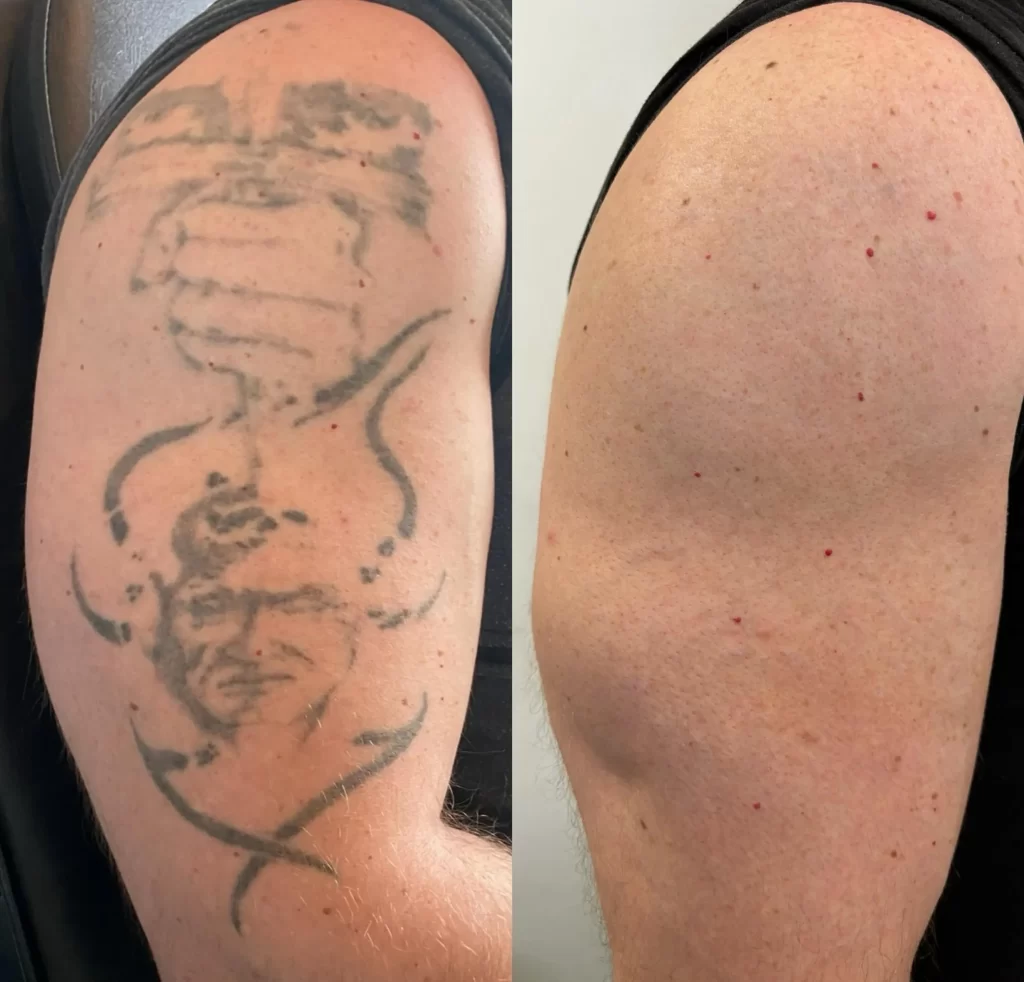
Do tattoo removal creams work? It’s the number one question we get from clients who walk into our Brisbane studio hoping to fade an old tattoo without the price or pain of laser. And we get it. Creams sound easy. Painless. Cheap. But here’s the truth: if a topical cream could truly erase ink buried in your dermis, every removal studio in Australia would be out of business.
Some of these creams promise miracles using ingredients like Trichloroacetic Acid or organic acids like apple cider vinegar or neem oil. But these often lead to more side effects like skin irritation, skin burns or uneven skin lightening than actual tattoo fading. Compared to even one laser tattoo removal session, the long-term risk just isn’t worth it.
So let’s get into what these creams do, why the science doesn’t quite stack up and what you should know before you put anything on your skin.
Why These Creams Became So Popular

The idea of fading tattoos with a cream took off as a low-risk alternative to laser. They popped up in pharmacy aisles, online ads and influencer posts promising results without side effects. Products like Wrecking Balm or hydravescent cream became internet favourites.
What they don’t tell you: the ink in your tattoo lives below your epidermis, in the dermis layer of your skin. No over-the-counter cream can penetrate that deep and safely remove ink particles.
For many people, the initial sticker shock of laser tattoo removal price led them to try cheaper options first, even though the long-term outcome was disappointing.
That hasn’t stopped the marketing machine. A 2025 industry study found that global sales of tattoo removal creams have surpassed AUD 48 million annually — even though there’s little to no clinical proof they work.
What’s In These Creams?
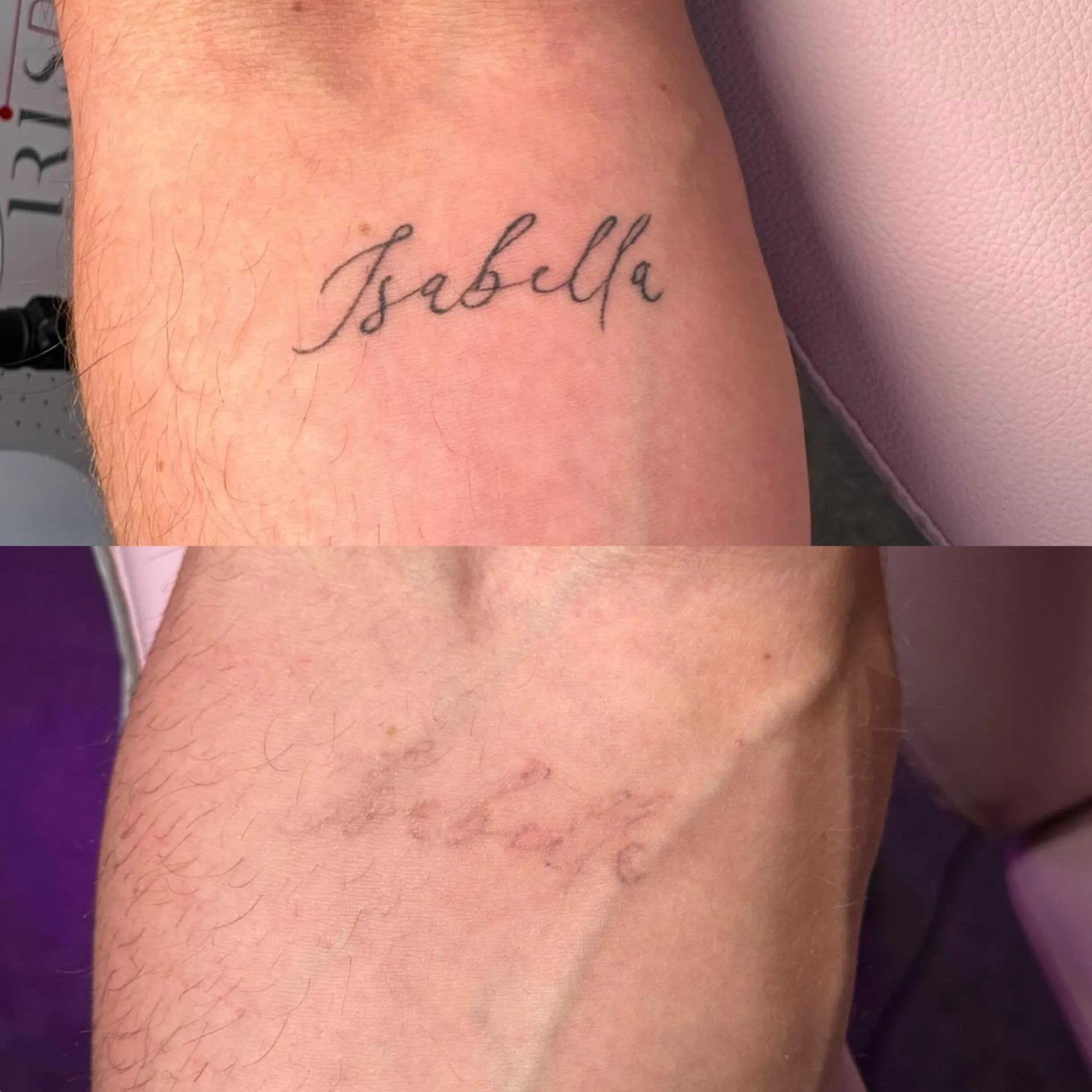
Many tattoo removal creams contain:
- Trichloroacetic Acid (TCA): a chemical peel agent that can cause chemical burns and post-application recovery issues
- Hydroquinone: a pigment lightening agent banned in many countries for overuse concerns
- Kojic acid, glycolic acid or salicylic acid: common exfoliants or chemical peels used to promote surface-level exfoliation
- Herbal extracts or “natural brighteners”: including soya oil and neem oil, usually with minimal effect on tattoo pigments
- Skin bleaching creams or skin lightening creams: marketed as safer, but can cause skin discolouration
Some products even sneak in skin bleaching agents or skin bleaching lotion that are way too harsh for repeated use, especially on sensitive or sun-exposed Aussie skin.
The risk? You’re more likely to damage your skin’s surface or alter your natural pigmentation than you are to fade the ink underneath. We’ve seen it in studio consults: clients come in with skin burns, irritation or inflamed patches from repeated cream use.
Tattoo Ink and Skin Layers
Let’s break down why fading a tattoo isn’t as simple as rubbing on a cream.
When you get tattooed, the ink particles are deposited into the dermis, the second layer of your skin. This layer is stable enough to hold the pigment long-term, but deep enough that surface treatments don’t reach it.
Here’s a simplified skin structure table to help you visualise:
| Skin Layer | Location | Can Creams Reach It? | Tattoo Ink Lives Here? |
|---|---|---|---|
| Epidermis | Top layer (surface) | Yes | No |
| Dermis | Middle layer | No | Yes |
| Subcutaneous | Deep fat layer | No | No |
To break down pigment in the dermis, you need a method that targets those ink particles at a cellular level — that’s why laser and saline removal methods exist. Creams just don’t have that kind of reach.
What We See in the Studio
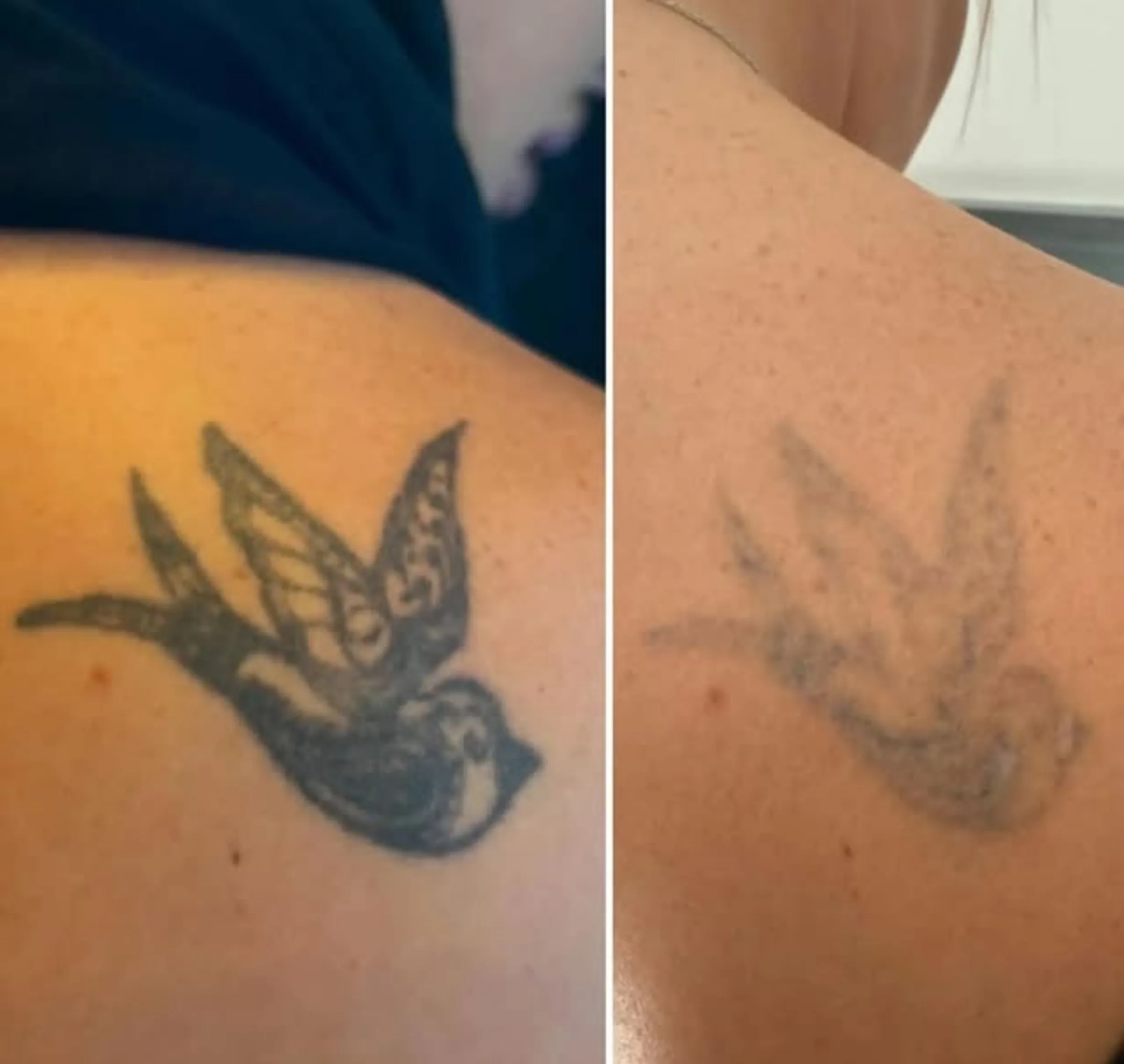
We’ve had a few Brisbane clients come in after trying DIY tattoo cream kits from chemists or the internet. Most are frustrated, some are scarred, and nearly all say the same thing: “I thought it would be a safer option”.
One client tried a TCA-based removal gel on an old ankle tattoo. After 3 weeks of use, her skin blistered and peeled — and the ink was still intact. We ended up treating her with a series of gentle saline tattoo removal sessions to calm the area before addressing the pigment itself.
Another used a “natural brightening” cream containing soya oil and neem oil for months. Her skin tone lightened in patches, but the tattoo looked exactly the same.
We’ve even seen a few unfortunate eyebrow tattoo removal cases where people tried to fade their cosmetic ink at home with bleaching creams — only to end up with patchy, uneven colour that was harder to correct than the original tattoo.
We’re not sharing this to scare you — just to give you honest, grounded context from what we’ve actually seen in the treatment room. For some clients, the damage even needed medical professionals to intervene.
What Works to Fade or Remove Tattoos Safely
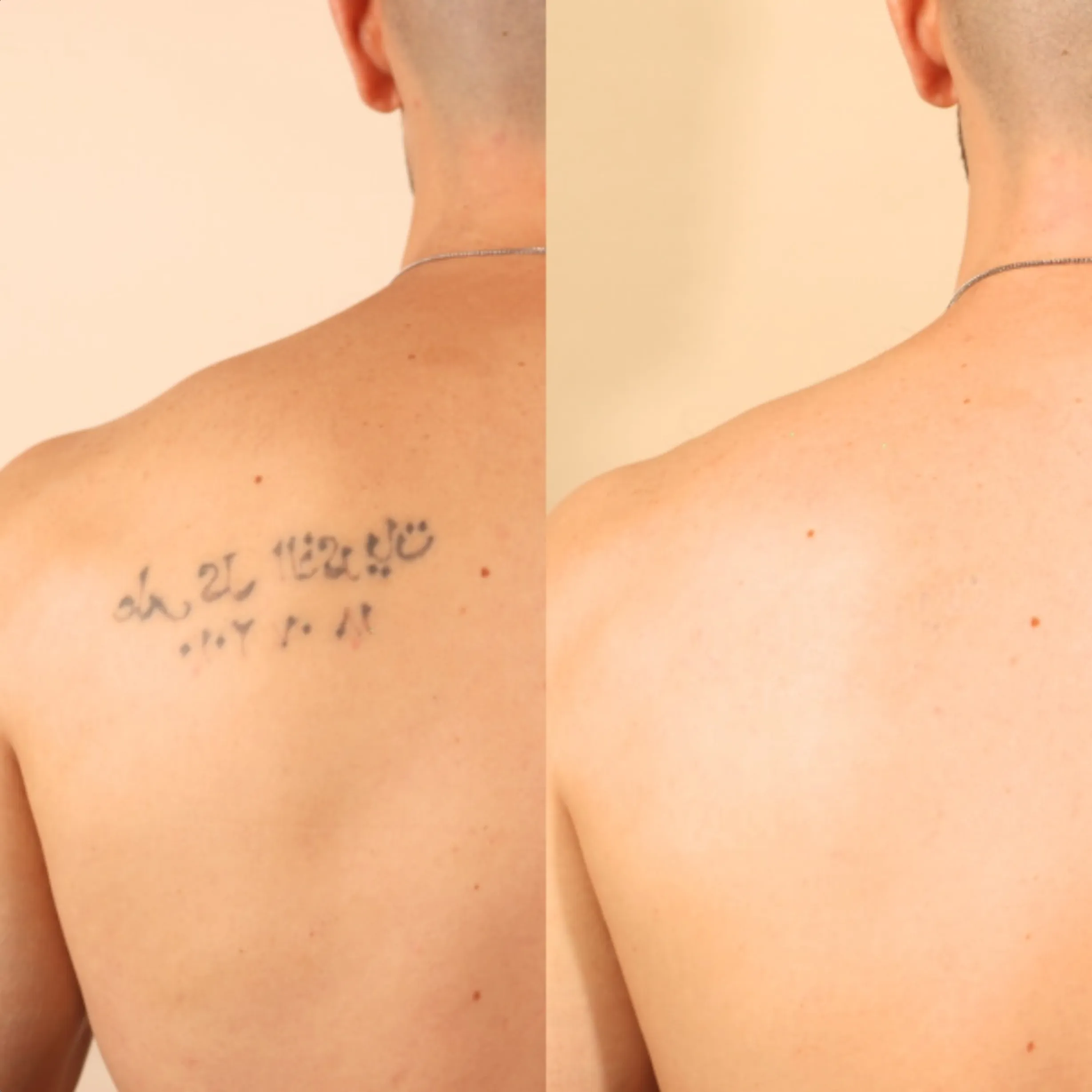
If you want to remove or fade a tattoo safely, here are your best evidence-backed options:
- Laser Tattoo Removal
- Uses targeted laser light to break down tattoo ink particles
- Best for darker colours and older tattoos
- Common lasers: Q-switched lasers, PiQo4 laser, PicoSure Laser
- Multiple sessions needed, spaced 6–8 weeks apart
- Risk: temporary swelling, skin irritation, possible blistering
- Often requires use of a PFD patch to improve healing
- Not recommended immediately after laser hair removal or other cosmetic procedures
- Laser tattoo removal is one of the most effective treatments on the market — especially when done by trained professionals using medical-grade equipment.
- Saline Tattoo Removal
- Uses a salt-based solution to draw out ink pigments from the skin
- Gentler than laser and better for cosmetic tattoo removal (e.g. brows, lips)
- Good for a range of skin types and permanent ink colours
- 3–6 sessions for noticeable fading
- Less skin lightening than laser removal
- We recommend saline tattoo removal for clients with sensitive skin or those who need a partial fade before a cover-up.
- Surgical Tattoo Removal (Excision)
- Tattoo is cut out and stitched
- Small tattoos or derogatory ink
- Recovery time varies depending on size and skin type
- May require a skin graft in some laser surgery follow-up cases
- Injectable Tattoo Removal
- Still under clinical studies and not widely used in Brisbane
- Requires local anaesthetic and professional guidance
If you’re unsure what’s best for you, speak to a certified technician who can assess your tattoo parlour history, skin wellness, and aesthetic treatments already undertaken.
2025 Trends
Tattoo regret isn’t new, but in 2025 we’re seeing a cultural shift around second chances. More Aussies are investing in removal to:
- Make room for updated ink
- Fade old cosmetic tattoos for reshaping
- Remove matching tattoos with ex-partners
- Adjust to changing careers or lifestyles
We’ve noticed an increase in consultations for eyebrow tattoo removal and partial fade treatments before reshaping procedures.
According to recent data, demand for laser treatment and saline removal services has jumped 32% in the past 12 months across major cities, including Brisbane and even smaller areas like Salem.
Tattoo Removal Product Red Flags
Not all creams are created equal, but some are downright dangerous. Watch out for:
- No ingredient list or vague labelling (especially if it mentions skin lightening agents without specifics)
- “Miracle results” in under two weeks
- Photoshopped before-and-after images
- No mention of side effects or post-application recovery tips
- Lack of local certifications or safety regulation
- No input from medical professionals or laser science data
If the product doesn’t clearly state what’s inside, where it’s made and how it’s meant to work — skip it.
Conclusion
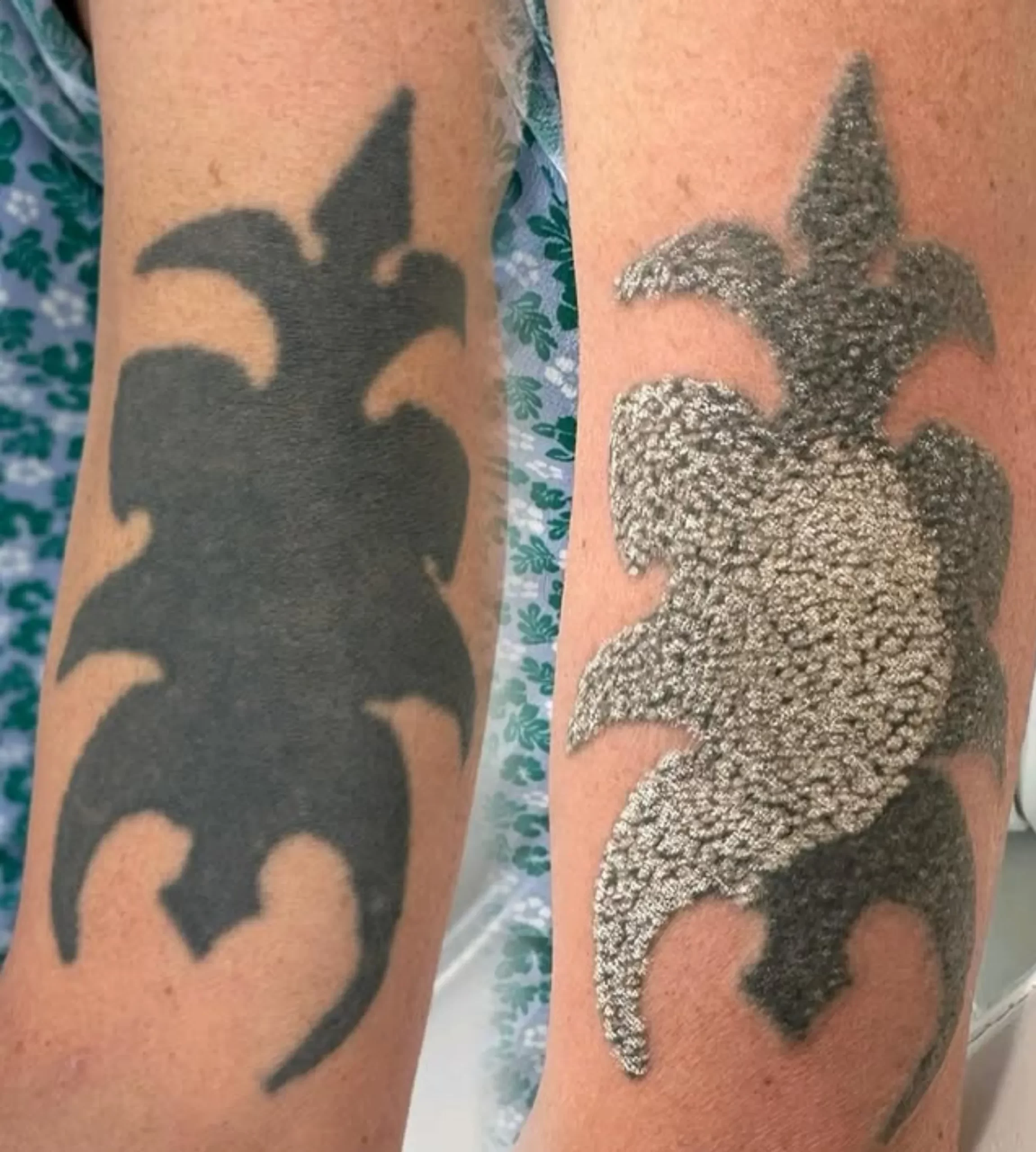
At Face Figurati Cosmetic Tattoo Studio in Brisbane, we’ve helped many clients safely fade or remove unwanted ink with customised treatments to suit their skin and goals.
We get it. The idea of a quick, cream-based fix is tempting. But the truth behind “do tattoo removal creams work?” is clear: they don’t deliver on their big promises and often leave your skin worse off.
Tattoo removal is a serious decision that requires professional guidance. Whether you’re looking at saline tattoo removal, laser tattoo removal or even surgical excision — do your research, consult with experts and prioritise your skin’s long-term health.
FAQ
Can tattoo creams fade my ink a little even if they don’t remove it?
Maybe — some may exfoliate or temporarily lighten the surface using chemical peels or skin bleaching lotion. But they won’t reach deep pigment in the dermis.
Will removal creams work better on cosmetic tattoos like lip blush or brows?
Still unlikely. Even though cosmetic tattoos use softer pigment, it’s still in the dermis layer.
Are natural tattoo removal creams safer?
“Natural” doesn’t mean effective. Products with neem oil or apple cider vinegar can still cause skin irritation. Always patch-test and research the ingredients.
Can I use cream before laser to speed up results?
We don’t recommend it. Harsh ingredients can make your skin more reactive to laser pulses or delay healing between sessions.
What if I’ve already used a removal cream and had a bad reaction?
Stop immediately. Keep the area clean, avoid sun exposure, and book in with a professional for post-application recovery support.