Dark lip neutralisation in Queensland requires a bit of extra care and attention. My name’s Uliana Kasperska, and to cut straight to it: when you combine high-UV environments here, lip pigments with titanium dioxide in them and the occasional laser treatment to touch things up, you get a potentially pretty dodgy mix. The thing is, the titanium dioxide in permanent makeup can start to oxidise or change colour when hit with lots of laser energy, and then to top it all off you’ve got sun exposure which can up the ante on healing time and leave you with some nasty-looking UV induced hyperpigmentation.
If you’re doing some digging on the risks of laser lip removal because you’ve already had a lip tattoo, fair dinkum, you’re asking the right questions. Over here in our Brisbane studio, we’d much rather give you the straight goods upfront than let you learn the hard way with a lip that’s gone grey and patchy just when you were looking forward to that long weekend at the beach.
A Warm Chat Before We Start
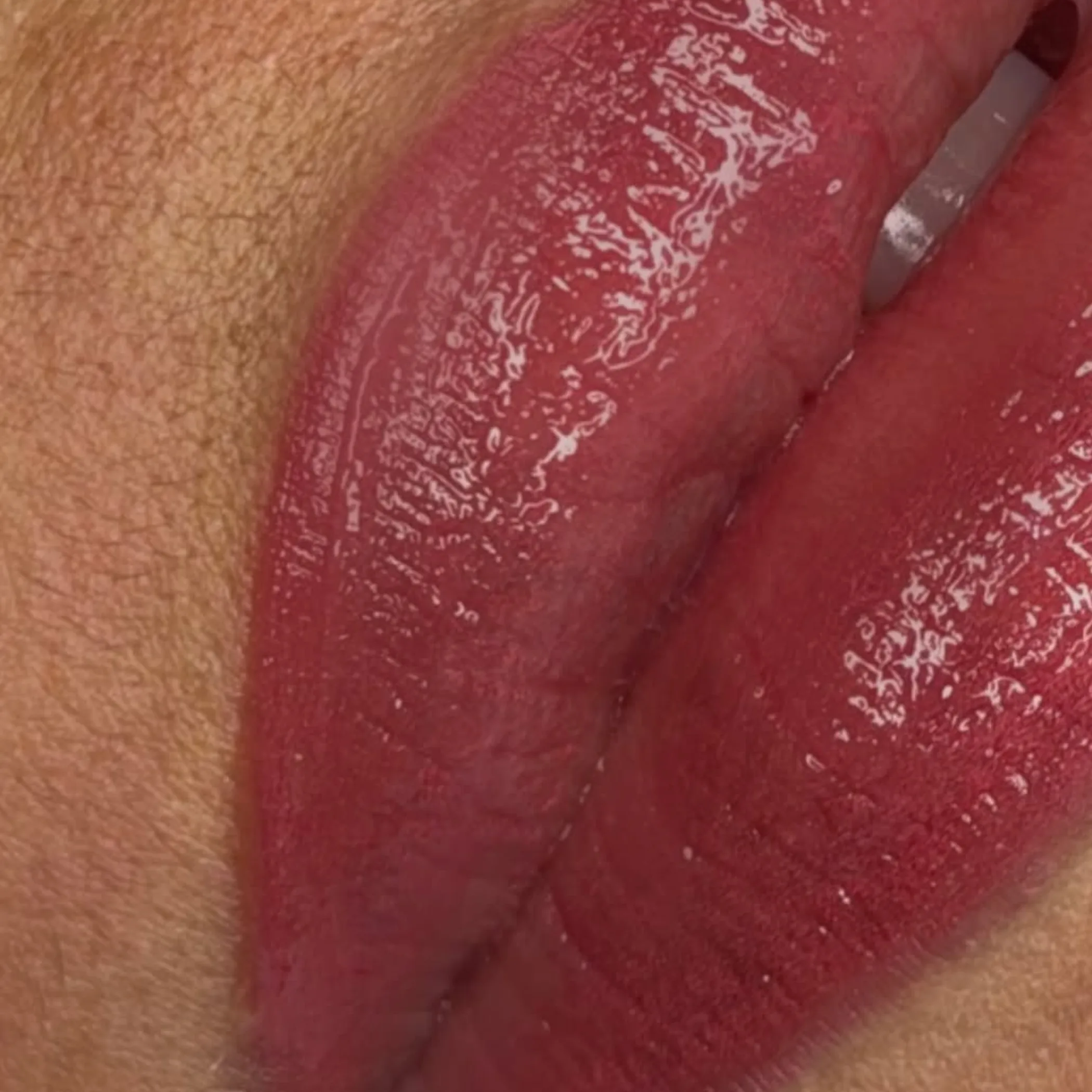
This might all sound like a bunch of technical jargon, but the bottom line is: you really want to know if laser treatments are worth the risk, what can go wrong and what other options might be a better fit for you. We’re going to walk you through all the clinical details in a way that makes sense to you, the same way we explain things to you in the treatment room.
We’ve worked with all sorts of skin types, sorted out heaps of lip blush neutralisation cases and had our fair share of clients who got caught out by things they never saw coming. And usually, it’s not the procedure itself that’s the problem. It’s more about the right mix of chemistry, sun exposure and the pigment that was used in the first place and not properly identified.
Why White-Base Pigment Can Make All The Difference
Titanium dioxide, often used as a base white pigment in cosmetic tattoo colours, adds a lot of value, helping to create opaqueness, soften tones or mix colours for correcting unwanted tints in lip blush. But in the case of dark lip neutralisation, that can be a real problem – because even if the lips don’t look pale or cool, previous work can still contain hidden TiO2 that’s just waiting to be uncovered.
Most people get one key thing wrong – they assume that all lip pigments behave just like body tattoo ink. And the truth is – they don’t. Lip colours are often put together differently, and TiO2 in PMU can be a complete and utter wild card when certain laser wavelengths come into play, like 1064nm or 532nm.
How Laser Energy Can Trigger Darkening
One of the biggest laser touch-up complications you’ll hear about with TiO2-containing pigments is something called paradoxical darkening. Instead of fading, the treated area just gets darker – charcoal, grey, blue-grey, or just plain weird because of oxidation and chemical changes inside the skin.
That’s why lip tattoo removal clients in Queensland need to be so careful. They can’t just book laser treatment on a whim. A proper history, a patch test, and a good look at the pigment first are absolutely essential. We’ve had clients come to us after being told “it’ll just lift in one session” and you know what? Sometimes it does. Sometimes the opposite happens.
Queensland Sun Makes Healing Harder
Queensland’s got some of the highest UV levels going on in the country and that makes tattoo removal a whole lot trickier. When you add strong sun exposure to the mix, you can wind up with inflammation, uneven colour, and all sorts of other problems you don’t want.
Brisbane clients deal with the heat and those sweaty, outdoor commutes coming and going whether you’re lounging on a beach towel or just grabbing a quick coffee on your way to the car. Even a quick walk outside throws your lips up against the harsh sun – year in, year out.
What UV Does After A Laser Attempt
After a laser treatment, the skin barrier takes a temporary hit. On the lips, that can mean you’re left with increased sensitivity, dryness, and a bit of swelling – and a higher chance you’ll end up with some nasty UV-induced hyperpigmentation, particularly if you’ve got darker skin or tend to get those pesky post-inflammatory pigment changes.
It’s not just the oxidised pigment we need to worry about either – it’s also the combo of inflamed skin, scattered pigment, and melanin kicked into high gear by the sun. When you toss all those factors together, its a recipe for a result that might look dark at first and then, worst case – just stays patchy for months.
Who Needs Extra Caution
If you’ve got naturally deeper lip colour, a history of hyperpigmentation, or are dealing with active cold sore outbreaks, you’ve got to take things slow. And if you’ve got a tan going on, or really can’t pin down your pigment history, better to hold off on the laser treatment too. If you only have one session to get done before a big event – sorry, but laser might not be the priority.
Best result to prioritise? Safety and colour stability, not speed. We’d rather hold off on treatment until we’ve got the right plan in place than rush into something that’s just gonna mean more corrections down the line.
What We See In Studio
Real outcomes are just not as glossy as the before-and-afters you see on social media. In the real world, success depends on loads of things – the specific pigments, how deep the tattoo is, how your skin naturally heals, what your skin tone is like, how much sun you get, and – let’s be blunt – whether the original work was even done properly in the first place.
We’ve had clients as young as their 20s and as old as their 60s come to us with old lip work that looked okay on the surface, but then they’d heal with this stubborn grey-ish ashiness that’s a real pain to deal with. And the thing is, the lips can be super deceiving like that.
Expectation Vs Reality
Expectation: laser will magic away that lip tattoo in no time. Reality: with titanium dioxide pigments, one session can just make things worse – either revealing how uneven the colour is or making the pigment even darker. You’re looking at having to do multiple treatments, not just one and done.
Expectation: healed lips will be fine as soon as the scabbing settles. Reality: it can take weeks, even months, for some changes to really show up – especially once the sun, heat and your natural lip tone start kicking in and interacting with the treated area.
To give you a better idea of what to expect, we always go over the following with clients before we start coming up with a removal plan:
| Factor | Lower Risk | Higher Risk |
| Previous pigment | If it’s a dead cert | If it’s a mix of something we’re not too sure about |
| Skin response | You’re a lucky one if you never get any bumps | You’re the opposite type – prone to hyperpigmentation |
| Sun exposure | You’re super careful about staying out of the sun | You’re a Queenslander and get tons of daily sun |
| Treatment goal | Take it slow and look for gradual improvements | You need it gone ASAP – maybe even for an event |
| Removal plan | We take it slow and review things as we go | Go full steam ahead with the intense laser |
Safer Options Usually Work Better
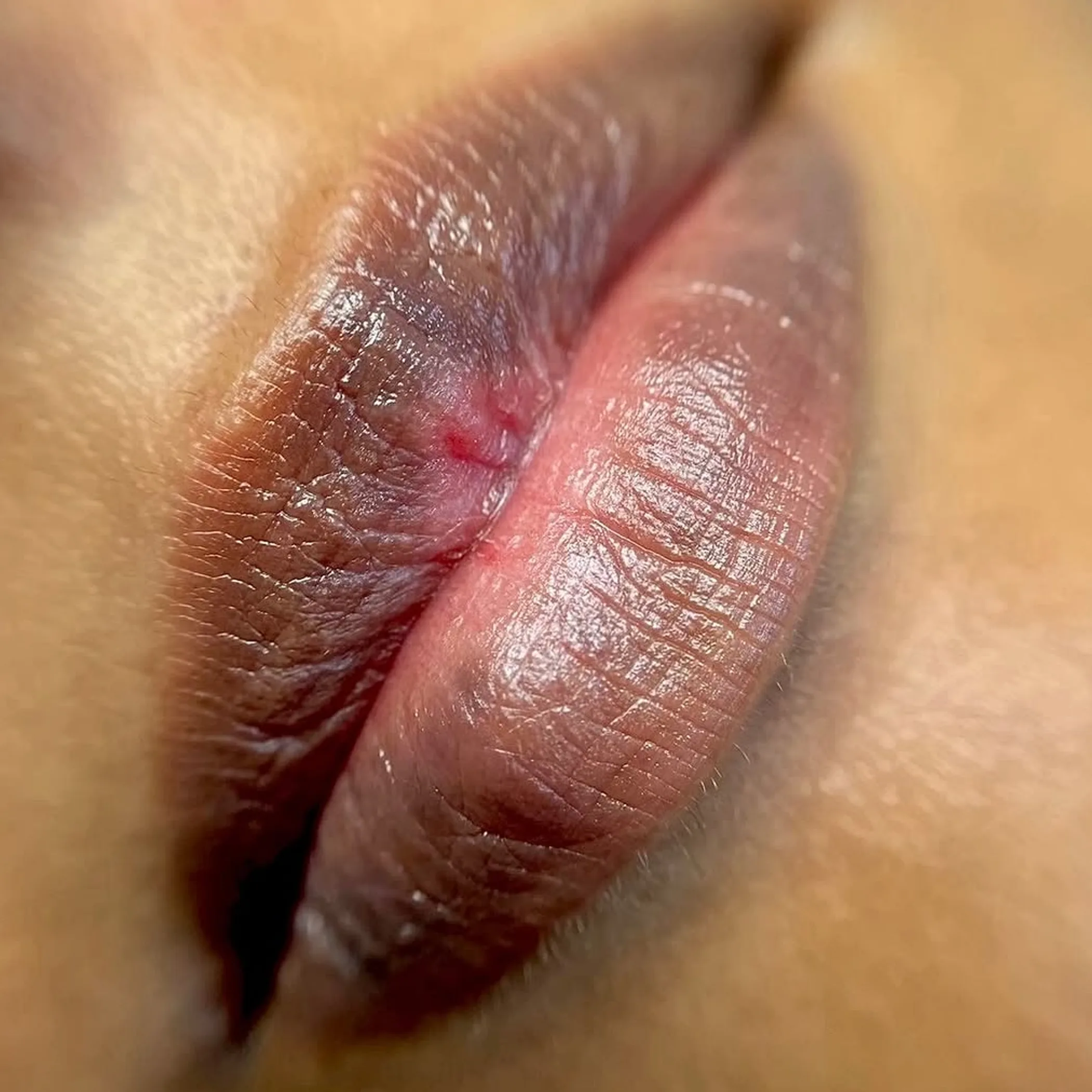
When we suspect TiO2 is the culprit, we tend to chat about alternatives to laser before we try it. That’s not being paranoid, it’s just using your noggin.
For those tricky dark lip neutralisation corrections, breaking it down into stages is usually the way to go to end up with a decent cosmetic result. Rushing into removal just isn’t worth the risk of a less-than-satisfactory outcome.
When Saline May Be Smarter
Using saline for cosmetic tattoo removal can be a more sensible choice in certain cases because it sidesteps some of the potential issues with laser treatment linked to Titanium dioxide. Now, it’s not some magic solution that’s going to make it all fun and games – but it might just reduce the risk of that nasty paradoxical darkening where TiO2 is in the mix.
Session-wise, you can expect to be in clinic anywhere from 45 to 75 minutes, depending on what needs to be done and how complicated the job is. Most people need to come back a few times, spaced out over several weeks, and while social downtime is just a few days of looking a bit worse for wear, you’ll probably need to take it easy for a bit.
When New Neutralisation Is Better Than Removal
There are occasions when it makes a lot more sense to just give old colour a good going over with new, warm-based pigments over time rather than trying to get rid of it all together. But this one’s got to be a case-by-case basis – you’ve got to have good skin to work with, realistic expectations and enough healthy tissue to be safe.
In Brisbane, costs vary depending on just how complicated the treatment is. A straightforward consultation or review might not break the bank, but more involved corrections, saline sessions or advanced neutralisation plans can run to a few hundred bucks per visit, depending on what’s been done previously and how many sessions you need.
Prep And Aftercare Matter More Than People Think
Preparation and aftercare are the key things that people tend to underestimate.
If you do proceed with any correction or removal, prepping and aftercare are absolutely non-negotiables – and that’s not just about keeping things tidy, it really does impact how long it takes to heal up properly, and whether you end up with a nasty lingering sore.
It’s especially true here in Queensland, where the sun, heat and sudden sun exposure can just undo all the good work in a flash.
Before You Book Anything
First off, check if the old lip colour might contain TiO2 or some other nasty white base pigment.
Then make sure you steer clear of any treatments on freshly tanned, sunburnt, cracked or irritated lips.
Delay if you’ve got a cold sore breakout, had some other skin treatment recently, or are expecting miracles to happen overnight.
Plan ahead to make sure you can take it easy and steer clear of any heavy sun or outdoor exercise for a bit while your lips are still healing up.
The Healing Window To Respect
The thing that catches most people off guard is just how variable lip healing can be. One person who’s just stuck inside and following aftercare to the letter can be all fixed in 7-14 days, but someone who’s been out in the heat and sun all the time may take a lot longer to calm down.
Here’s a rough guide to how long its going to take to heal up after a corrective removal or touch-up:
| Stage | Typical Timing | What You May Notice |
| Acute response | Days 1-3 | Swelling, tenderness, dryness |
| Surface healing | Days 4-10 | Flaking, tightness, uneven colour |
| Early settling | Weeks 2-4 | Reduced irritation, colour starts to settle in |
| True review point | Weeks 6-8+ | Better read on how the colour has finalised and what to do next |
Aftercare In A High-UV Climate
Keep those lips clean and dry, and protected from the sun for the first bit of the healing stage.
Avoid direct sun, hot exercise, those mid-day pool dips, and excessive sweating for the duration of our recommended aftercare period.
Stick to the aftercare products we recommend and don’t pick at any of that pesky flaking skin – it’s just a recipe for disaster.
Any unusual blistering, prolonged darkening of the treated area, or signs of infection – you know what to do – get in touch pronto.
Our Honest Takeaway
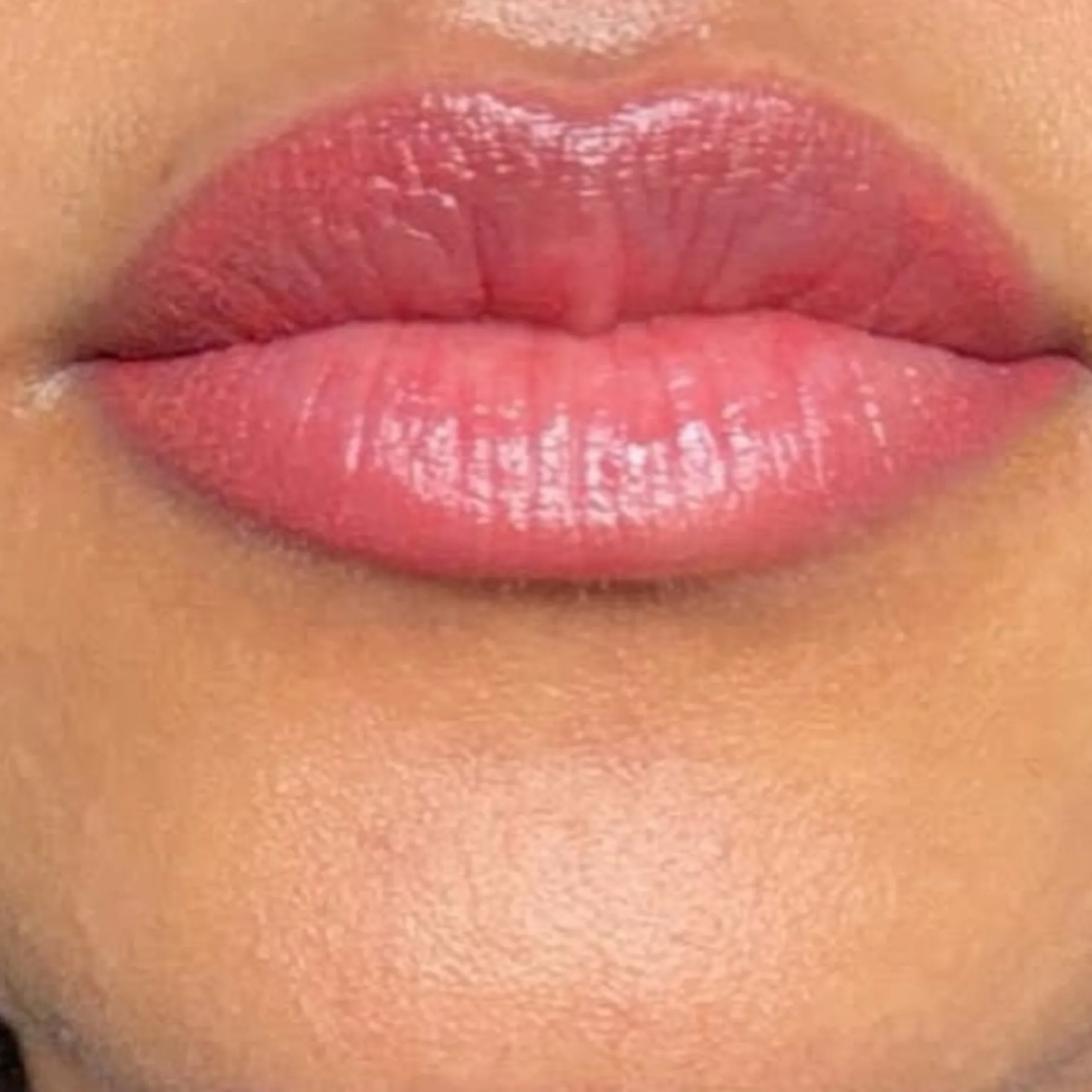
When you’ve got old lip pigment and you are considering a laser top-up, don’t rush into it. With dark lip neutralisation, the possible presence of TiO2, and living in Queensland under the harsh Queensland sun – you get the picture – then a careful assessment beats any sort of wild guesswork.
We’re not just any run of the mill laser clinic, we’re trained, licensed, and stick to our guns with hygiene standards, pigment quality, and proper planning, because that’s exactly how you get a long lasting result. Still not sure what does and doesn’t apply to your lips? Just send us a message and we’ll go through what you can expect based on your pigment history, your skin type and whether correction, saline or just keeping an eye on things is what’s best for you.
FAQ
Can Laser Make Lip Pigment Darker Instead Of Lighter?
Yeah that’s a thing. Paradoxical darkening is a known risk when some of the cosmetic pigments you’ve had done contain titanium dioxide.
Does Queensland Sun Increase The Chance Of A Bad Result?
It probably does. Getting blasted by strong UV all the time can increase inflammation and UV-induced hyperpigmentation during the recovery period.
Is Saline Removal Safer Than Laser For TiO2?
Maybe in some cases. Saline might be able to avoid that nasty laser reaction people get with some pigments, but it all depends on your individual circumstances.
What Color Tattoo Is The Easiest To Remove With Lasers?
Generally, it’s a lot easier to get a black tattoo removed than say a more flashy one because black ink just absorbs the laser energy with much more predictability.
Is A Black Ink Tattoo Easier To Remove?
9 times out of 10 yes. Black ink seems to respond way better to laser treatments than those pesky multi-coloured inks which always seem to have some white bits that can cause problems.
What Wavelength Is Best For Black Tattoo Removal?
When it comes to getting rid of black ink, 1064 nm is the wavelength you want – it’s really good at getting deep and targeting all that dark stuff.
Are Tattoos Done Only In Black Easier To Remove Than More Colorful Ones?
Yeah usually. I mean multi-coloured tattoos can be a right pain because each colour needs a different wavelength to fade properly and they all tend to have different results in the end.